Comp drug utilization decreasing, but medication costs rising: Report


Workers compensation prescription drug utilization is trending downward, but the costs of medication are rising, primarily due to costly topical agents that mostly come from out-of-network physician dispensing channels, according to a report released Monday by Enlyte LLC.

In 2023, the workers comp industry saw an overall per-claim decrease and a decrease in opioids prescriptions for injured workers, but it also experienced double-digit cost increases due to new prescribing trends, the report states.

In addition to increasing costs related to topical prescriptions, migraine medications and respiratory drugs also contributed to higher drug spending. Respiratory drug costs increased 14.7% in 2023 while migraine medications rose 10.2%, according to the report.

Meanwhile, opioid utilization per claim dropped 9.7% and cost per claim decreased 7.2%, even while opioids continued to be the top drug prescribed to injured workers. Morphine equivalent dose prescriptions declined for the ninth consecutive year, falling 14% in 2023.

The overall number of workers comp prescriptions per claim dropped 3.7% in 2023, costs per prescription rose 7.3%, and costs per claim fell 3.3%, the report states.

The report also shows that the top five therapeutic drug classes by cost in 2023 were topicals, opioids, anticonvulsants, nonsteroidal anti-inflammatory medications and muscle relaxants.


Source link

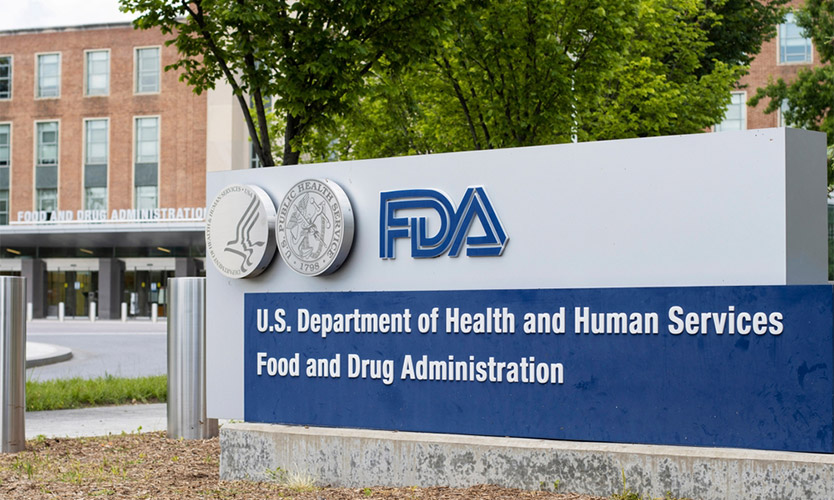
FDA approval will help resolve questions on medical cannabis use


U.S. Federal Drug Administration approval will clear the air on the questions surrounding the use of medical marijuana, experts say. 

The National Organization for the Reform of Marijuana Laws Foundation, a Washington-based pro-marijuana lobbying group, keeps an extensive database of studies that aim to show the benefits of medical marijuana, including links to dozens of research papers on how medical marijuana helped chronic pain patients and reduced their reliance on prescription pain medications. 

Many of the U.S.-based studies include details on research limitations, with institutions lamenting the country’s challenging legal environment for studying marijuana as it remains illegal at the federal level. 

One paper cited, published by the National Academies of Sciences, Engineering, and Medicine in 2017, states that “conclusive evidence regarding the short- and long-term health effects (harms and benefits) of cannabis use remains elusive. A lack of scientific research has resulted in a lack of information on the health implications of cannabis use, which is a significant public health concern for vulnerable populations.” 

“There is a problem with researchers being able to obtain or at least legally obtain the type of cannabis that people are consuming in regulated markets,” said Morgan Fox, political director for NORML, who said federal legalization in any form will help.

To meet study guidelines “you have to obtain cannabis from a federally approved supplier and producer and (there are) significant barriers to research,” he said. 

NORML Deputy Director Paul Armentano wrote in an email that the organization “nonetheless possess(es) ample science highlighting cannabis’ safety, efficacy, and mechanisms of action to put most every debate to rest.” 

Other countries have studied medical marijuana and the outcomes have been mixed, said Dr. Marcos Iglesias, Hartford, Connecticut-based chief medical director at Travelers Cos. Inc. FDA approval would be a gold standard for including the option for injured workers, he said.

Doctors are embracing a “wait-and-see attitude” to better understand any medical benefits, Dr. Iglesias said, adding, “because the hype is bigger than the benefits that we know of today.”

Brian Allen, Salt Lake City-based vice president of government affairs for Enlyte LLC, said evidence about medical marijuana’s potency and effectiveness is “anecdotal.” 

“There’s not a lot of clinical support for some of the things that medical marijuana is being recommended for now,” he said. “When it goes through the traditional prescribing process and becomes a prescription drug that’s going to change. I wouldn’t say it’s going to change the science, but there’s going to be more science behind it.” 


Source link

School districts weigh gun policies for staff


As more states permit teachers to carry concealed guns in the classroom, experts say safety training and awareness of potential liabilities should be at the forefront of any school initiative to arm educators. 

If staff are injured in an incident involving a teacher using a gun, though, workers compensation benefits would likely be paid, they say.

Thirty-two states allow teachers and school staff to carry firearms as part of efforts to thwart attacks in schools, according to the United States Concealed Carry Association, a gun advocacy and training organization. 

Tennessee in April became the latest state to approve armed teachers. Ohio passed a similar measure in 2022.

Approval processes and training requirements vary by state. Some states leave it to the discretion of law enforcement authorities and school districts, and some mandate firearms handling and proficiency training. 

Tennessee S.B. 1325, which requires local law enforcement approval for teachers and staff members to carry guns, doesn’t have specific safety protocols built into it. However, the law does say guns are prohibited in certain areas of schools, such as gyms and auditoriums, and cannot be carried during school-sponsored events. 

The law also offers liability immunity for local law enforcement agencies — which must sign off on teacher carry — from claims for monetary damages that arise “solely from, or that are related to, a faculty or staff member’s use of, or failure to use, a handgun.”

The measure is similar to laws in other states, but controversies remain over the need for such laws, as school districts weigh efforts to better protect students against the potential dangers associated with guns on campus (see related story below).

BI 0624 04A

Safety experts say training is key to avoid gun-related injuries in school districts where teachers can carry concealed weapons. 

“I would recommend written procedures, written protocols, group training,” said Sara Gibson, senior risk manager with St. Louis-based Safety National Casualty Corp.

Districts should provide biometric — or fingerprint-activated — gun safes, bulletproof vests, background checks and mental health screenings, and possibly enhanced insurance policies, according to information published online by Bethesda, Maryland-based United Educators, a reciprocal risk retention group that specializes in insuring schools. United Educators declined an interview. 

Even with safety protocols in place, incidents can occur, experts say.

In December 2021, San Francisco-based Giffords Law Center said an analysis it conducted found nearly 100 publicly reported incidents of mishandled guns at schools in the prior five-year period, including accidental discharges and leaving guns accessible to students. Most incidents were injury-free, but in one 2020 Florida incident, a security guard accidentally shot a maintenance worker in the eye while showing off a gun.

In another widely reported incident, a reserve police officer in 2018 accidentally discharged his gun in a Seaside, California, high school while teaching a public safety class. Several students were injured by falling debris.

As more states pass laws allowing educators to be armed at school, workers comp attorneys say little is expected to change when it comes to injury compensability. 

The question becomes whether the gun is used within the “course and scope of employment,” said Barak Kassutto, a workers comp defense attorney at the Philadelphia law firm Morgan Akins & Jackson PLLC.

A teacher accidentally shot by a teacher permitted to carry, for example, would likely be covered by comp.

If a teacher accidentally shoots another teacher while defending a student or defending the school, workers comp exclusivity could possibly be escaped if gross negligence was involved, said Davis County, Utah-based Curt Oda, a commercial insurance agent, former state legislator and firearms safety instructor.

Gross negligence could be alleged, for example, if a teacher showed his or her firearm to another teacher and accidentally shot that teacher, said Mr. Oda, a former claims adjuster. 

In that case the injured teacher could likely “sue the responsible party because it’s not in the act of defense,” he said. 

Whether guns in the hands of educators would increase general liability insurance premiums for school districts is hard to say, said Kevin Pollock, vice president-national director of public entity for Safety National. 

“There are many factors that we review and analyze on each risk during the underwriting process,” he said. 


Proponents of arming teachers say firearms should be allowed in school to deter or stop active shooters; opponents argue adding more guns is a recipe for collateral damage. 

“Teachers are trained to be teachers, they’re not trained to be law enforcement,” said Sara Gibson, senior risk manager with St. Louis-based Safety National Casualty Corp. 

Supporters of arming teachers, though, say guns in the classroom are the ultimate prevention and risk mitigation tool. 

Curt Oda, a Davis County, Utah-based commercial insurance agent, former state legislator and firearms safety instructor, said allowing employees to carry guns to defend students can help bridge the gap between when a violent incident begins and when police arrive.

“If you could close that gap time, the liability risks actually reduce because you’ve taken steps to mitigate and neutralize the threat factor,” Mr. Oda said, noting Utah has allowed guns in schools for three decades. 

In Tennessee, the teachers union has come out strongly against the new law permitting educators to carry guns. 

“Arming teachers puts both our children’s education and safety in jeopardy,” Tennessee Education Association President Tanya Coats said in a statement.

The union said educators should be focused on teaching and leave security to “trained and certified officers.” 



Source link

Editorial: Pot’s potential should be tested


The proposed reclassification of marijuana as a drug that should not be grouped with the likes of heroin and LSD has been a long time coming. 

While the widespread use of marijuana as a recreational drug goes back at least a century in the United States, and it’s been officially sanctioned by some states for medical use for decades, federal regulators have insisted that it be classified alongside the most dangerous of illegal substances.

That may change with the U.S. Drug Enforcement Administration saying it has started the process of moving cannabis from a Schedule I drug to a Schedule III drug under the Controlled Substance Act. There is still a way to go, but if the process plays out, marijuana would be classified in the same category as Tylenol with codeine — not a drug that can be used without significant care but also not one with a blanket ban on its use.

There is plenty of anecdotal and some scientific evidence that marijuana can help with numerous ailments, including providing pain relief.

BI 0624 08

Given the disastrous period when opioids were routinely prescribed for pain relief, it’s no wonder that many injured workers and their medical advisers have viewed marijuana as a safer alternative that can ease discomfort without the same risk of dependency.

As marijuana’s medical use has grown, several states have ruled that employers and workers compensation insurers should reimburse injured workers for the cost of using it. However, given the federal marijuana ban, many payers remain wary of the conflict between state and federal laws.

One of the most significant issues, though, as we report here, is that the illegal status of the drug has restricted research on it. Even though marijuana and its derivatives are available for legal purchase in many states, federal law has made it difficult for researchers to obtain significant amounts of the drug for research purposes and gain funding to conduct the research.

Without such studies, it’s difficult to prove the drug’s efficacy to the satisfaction of payers and many users or, on the other hand, obtain insights into its limitations or possible harmful effects.

Given the ease of access to marijuana and the lack of scientific research in the U.S., it’s little wonder that it is touted as a cure for numerous conditions, often by people with questionable credentials.

By reclassifying marijuana as a Schedule III drug, medical professionals should eventually be able to confidently prescribe it for any conditions it can help alleviate, determine the proper dosage, and provide advice and warnings on possible side effects.

The time is long overdue for medical marijuana to be scientifically accepted or rejected rather than remain in the realm of conjecture and hearsay.


Source link

Pallet manufacturer cited in worker’s death


The U.S. Occupational Safety and Health Administration has cited a Wisconsin pallet manufacturer after a worker was crushed to death by a machine at its Appleton plant in December 2023.

OSHA cited Konz Wood Products Co. for two “repeat” violations and 15 “serious” violations following the employee death, which occurred when the worker was struck by the carriage of a lumber stacking machine.

The worker was attempting to free a board that had become jammed in the machine when he was severely crushed. OSHA said the company failed to ensure the machine was locked out to prevent movement.

OSHA proposed $177,453 in penalties. The company has 15 business days to contest the citation and proposed penalties.

The fatality marked the fifth inspection at Konz Wood’s Appleton plant since 2016, OSHA said.

In the latest citation, OSHA said the company also failed to provide fall protection and it engaged in violations relating to machine guarding on various saws and other machinery.

OSHA also placed the company in the agency’s severe violator program. 


Source link

Mold exposure not occupational disease for financial advisers: Appeals court


A top Maryland appellate court said Thursday that a Morgan Stanley & Co. Inc. financial adviser should not have been awarded workers compensation benefits for injuries he claimed were sustained from mold exposure in the workplace.

The Maryland Court of Special Appeals overturned a jury verdict that had awarded claimant Henry Gundlach workers comp benefits for a pneumonitis occupational disease claim.

Mr. Gundlach, who started working as a financial adviser for Morgan Stanley in 2008, claimed he developed pneumonitis in 2019 after being exposed to mold in his office. In 2020, he underwent a bilateral lung transplant.  

The state Workers’ Compensation Commission upheld compensability for the claim and the trial court’s October 2022 jury verdict affirmed that determination.

Morgan Stanley argued on appeal that Mr. Gundlach’s exposure “may have been compensable as an accidental injury as an injurious exposure,” but that pneumonitis isn’t an occupational disease that would be connected to Mr. Gundlach’s job as a financial adviser.

Mr. Gundlach asserted that the type of employment includes the “place where the work is to be done,” not just the nature of the job, but the appeals court disagreed, saying there was no evidence that “mold exposure is a known risk or distinctive feature of the job of a financial adviser.”

Given the facts of the case, the appeals court said the trial court erred in failing to grant judgment to Morgan Stanley before trial. 


Source link

Worker injured while helping car accident victim should have received comp: Court


A worker who ended up requiring a double leg amputation after being struck by a vehicle while trying to tend to another car accident victim during an on-the-clock trip should have been entitled to workers compensation benefits, a West Virginia appellate court ruled Wednesday.

The state’s Intermediate Court of Appeals reversed a review board’s determination that Tyler Carroll was not eligible for workers comp following a May 2021 vehicle accident.

Mr. Carroll, at the time a third-year union apprentice with the Plumbers and Pipefitters Local Union #625, had been assigned to work on a project at the federal courthouse in Pittsburgh alongside another employee.

While en route to Charleston, West Virginia, from Pittsburgh, Mr. Carroll and the other worker witnessed a vehicle accident and attempted to help the victims. Mr. Carroll was later struck by another vehicle at the scene.

A claim administrator subsequently denied Mr. Carroll’s application for comp benefits because the injuries were not sustained in the course and scope of his employment since they occurred during a deviation from employment. This determination was later reversed by a comp judge, but a review board later reinstated the non-compensability determination.

The appeals court, in finding the claim compensable, said Mr. Carroll’s co-worker’s actions constituted “implicit authorization for Mr. Carroll’s actions while working.”

“Implicit authorization,” the court wrote, can bring an employee’s acts within the scope of employment and make a claim compensable.  


Source link

Kansas governor signs workers comp reform legislation


Kansas Gov. Laura Kelly on Wednesday signed into law various changes to the state’s workers compensation system including an increase in compensation maximums for temporary and permanent disability payments.

The governor signed Senate Bill 430, which she called a “win for our workforce, our businesses, and organized labor.”

“The changes to the Kansas Workers Compensation Act will keep employers’ costs down while ensuring injured workers receive treatment in a timely manner,” Gov. Kelly said in a statement.

Among the bill’s highlights are a cost-of-living adjustment to maximum benefit injured worker caps starting in 2027, a limit placed on the use of independent medical exams, a requirement for parties to exchange medical records prior to preliminary hearings, the ability to settle in writing rather than through hearings, and comp coverage provided to Kansas National Guard members.

The new law also reduces by 50% workers comp benefits paid to injured employees who already receive Social Security benefits. The reduction would not apply to temporary total or partial disability compensation.

The governor’s office said the bill was a collaboration between business and labor and that it helps to create a more “fair and equitable system.”  


Source link

DOL, nail salons settle lawsuit over employee retaliation


The U.S. Department of Labor said Wednesday that it has settled a federal lawsuit with three Rhode Island nail salons over allegations of retaliation against employees that began with a July 2020 workplace safety investigation.

The DOL had sued New VIP Nail Spa Inc., VIP Neo Nails Inc. and VIP Spa & Nails Inc., and their owner, Steven Xingri Cao, after Mr. Cao fired and threatened a worker who became sickened by an undiluted sanitizer.

The employee had filed a complaint with the U.S. Occupational Safety and Health Administration.

After close to two years of litigation, the defendants agreed to pay employees $753,500 in back wages and liquidated damages. The settlement prohibits further violations of the Occupational Safety and Health Act and the Fair Labor Standards Act. 

The settlement also includes punitive damages to workers – one who was fired for raising safety and health concerns, another who was allegedly threatened by Mr. Cao and a third who Mr. Cao made sign false employment documents, the DOL said.

The defendants agreed to provide anti-retaliation training to supervisors, post employee rights notices in languages other than English, and hire a payroll monitor for at least two years to evaluate compliance going forward.

The DOL said the litigation represented one of the few joint cases the department has ever filed involving retaliation claims under both the Occupational Safety and Health Act and the Fair Labor Standards Act.  


Source link

Exit mobile version